
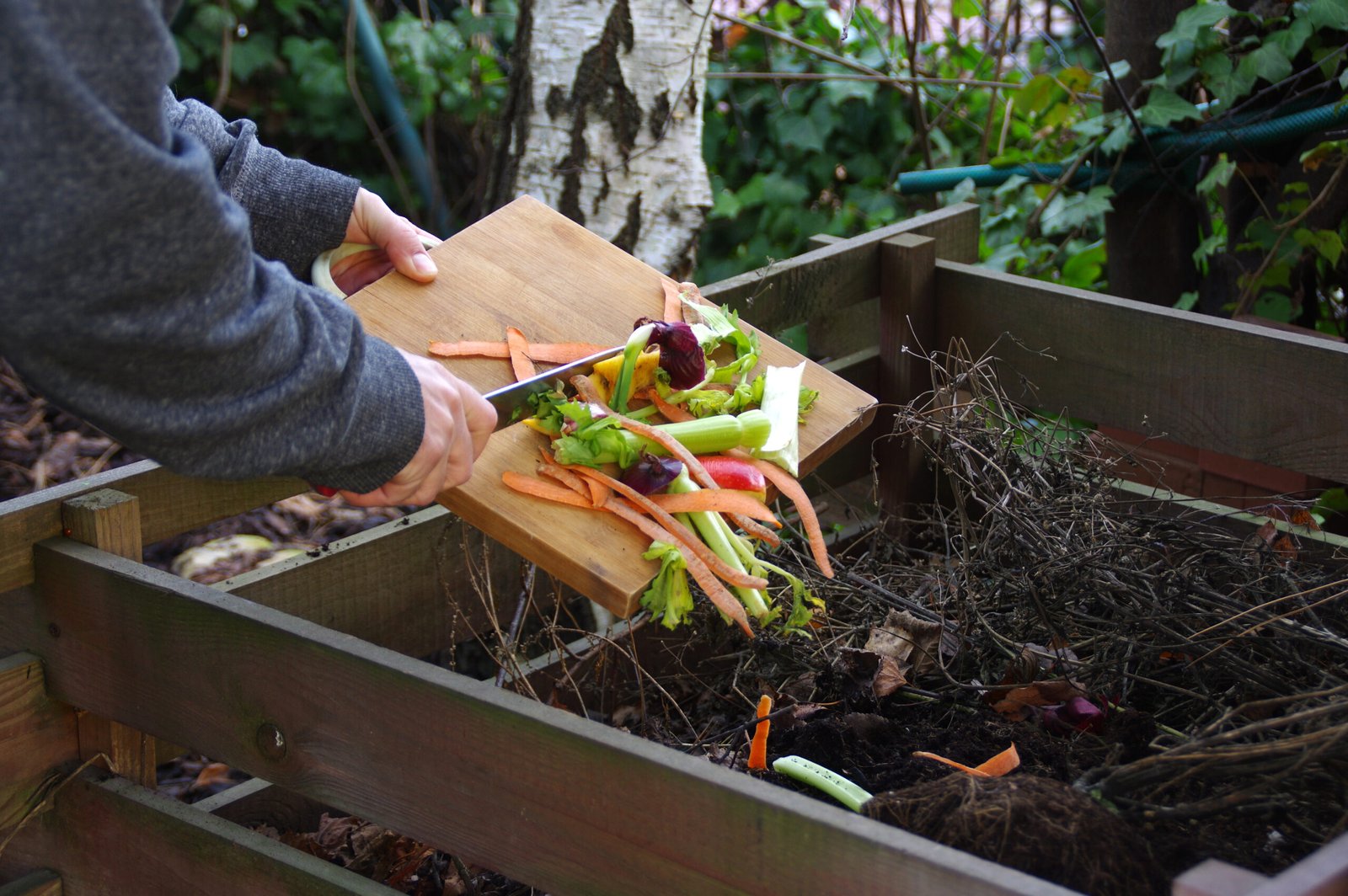
Turning biowaste into high-quality compost – the process
The process integrates pre-treatment, composting and refining in several steps:
- Feedstock reception and sorting
Biowaste is collected and inspected to ensure only suitable materials are accepted, avoiding contaminants such as plastics, metals or non-biodegradable waste. - Mechanical pre-treatment
The material undergoes screening, shredding and magnetic separation to remove impurities and standardise particle size, improving composting efficiency. - Tunnel composting
The prepared waste is processed in enclosed composting tunnels equipped with temperature and oxygen control systems. This ensures optimal conditions for decomposition and hygienisation. - Maturation phase
After the initial composting stage, the material is transferred to a dedicated area where it continues to stabilise and mature. - Refining and quality improvement
The compost is further processed through screening and separation technologies, including magnetic and ballistic separation, to remove remaining impurities and improve product quality. - Final handling
The finished compost is stored, packaged or pelletised, depending on its final use.
The final product
The resulting compost is nutrient-rich and stable, containing key elements such as nitrogen, phosphorus, potassium, magnesium and calcium, as well as high organic matter content.
It can be:
- Applied directly to soil in agriculture
- Used in organic farming systems
- Sold as pelletised compost for easier application
Guidelines are available to support proper use, with application rates depending on crop needs and national regulations.