
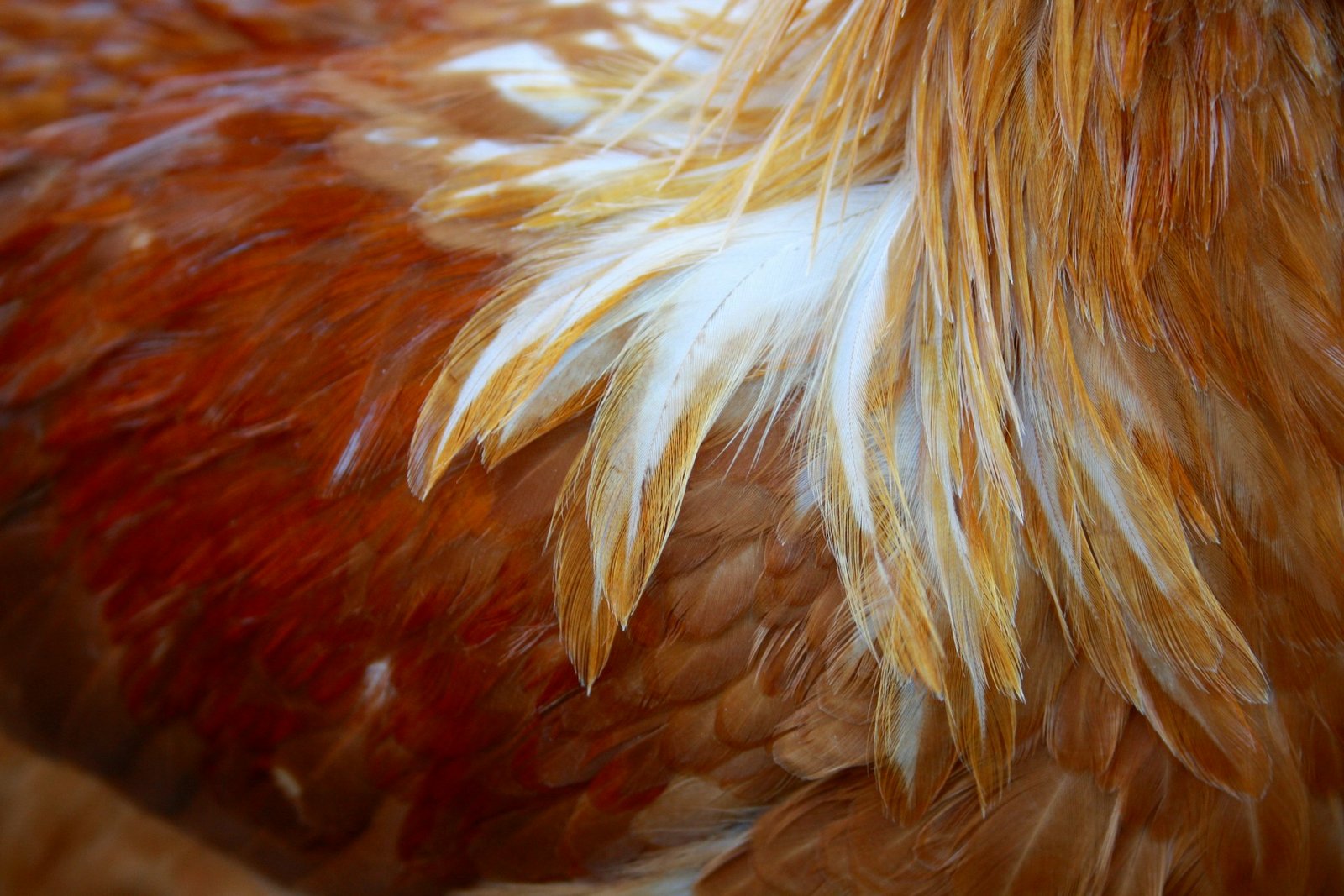
Turning poultry feathers into a biostimulant – the process
The process is based on chemical hydrolysis of keratin and includes the following steps:
- Feedstock preparation
Poultry feathers are collected and prepared as the main raw material. - Hydrolysis process
The feathers are treated using a combination of:- Acids (e.g. sulfuric and orthophosphoric acid)
- Alkaline compounds (e.g. potassium hydroxide)
- Controlled temperature (around 80 °C) and pH conditions (<1 to 5.5)
This breaks down keratin into amino acids and soluble nutrients.
- Mixing and formulation
Additional nutrients and trace elements (e.g. boron, iron, zinc) are added to produce a biostimulant. - Automated operation
The process is largely automated, including loading, mixing and unloading steps.
The final product
The resulting product is a liquid biostimulant containing:
- Organic nitrogen (amino acids from keratin) and ammonium nitrogen
- Phosphorus (P₂O₅), potassium (K₂O), sulphur (SO₃)
- Micronutrients such as iron, zinc, manganese and boron
The product can be applied using standard farming practices, including foliar spraying, and is demonstrated on crops such as wheat, tomatoes, rapeseed and soybean.